
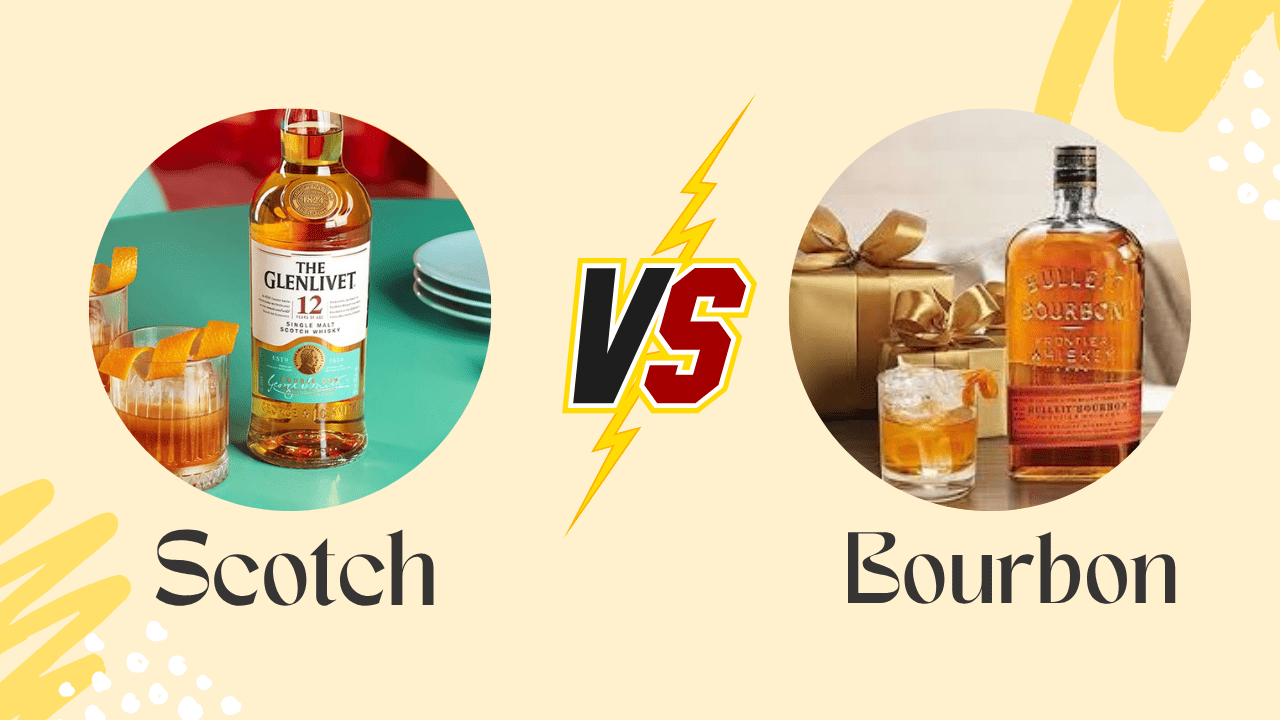
Picture this: You’re at your favorite bar or browsing bottles for a perfect gift. One label reads “Scotch,” another “Bourbon.” They look alike, but you’ve heard they’re nothing alike. In 2025, with more choices than ever, knowing the Scotch vs Bourbon: What’s the Real Difference matters. Whisky’s popularity is at an all-time high, and each option suits a different occasion—or palate. Let’s unpack what sets them apart and find your new favorite.
Quick Overview: Bourbon vs Whisky Basics
Here’s the thing—both Scotch and bourbon are types of whisky. Think of whisky as the family name, with Scotch and bourbon as siblings. These two dominate the whisky scene, and people compare them a lot. That’s because each brings its own personality and loyal fans.
Scotch is whisky made only in Scotland. It must age in oak barrels for at least three years. Most are crafted from malted barley, which gives Scotch its classic depth.
Bourbon is American by law. It has to be made in the U.S. and needs at least 51% corn in its recipe. That’s why bourbon tastes sweet. Aging? It must use new charred oak barrels.
In this whisky comparison guide, we’ll walk through regions, ingredients, and more. Once you know the basics, picking between Scotch and bourbon gets much easier.
Key Differences in Origin and Regulations
Origin is everything for these whiskies. Scotch? Only from Scotland, thanks to strict rules. The weather, water, and even the air shape its flavor. Plus, Scotland is split into regions—each one with its own style. For example, the Speyside region delivers fruity whiskies, while Islay brings smoky powerhouses like Lagavulin Islay Scotch.
Bourbon, meanwhile, is famously linked to Kentucky. About 95% of bourbon comes from there. The Bourbon Trail Kentucky is legendary for whiskey lovers. It’s more than just tradition—the natural limestone water actually affects the taste. While you can make bourbon anywhere in the U.S., most comes from Kentucky because of these advantages.
American bourbon must age in new, charred oak barrels. There’s no set minimum time (unless it’s called “straight bourbon,” which has to age at least two years). Scotch, though, always needs three years minimum in oak casks.
This set of rules is what keeps both Scotch and bourbon true to their names, and it’s central to answering: Scotch vs Bourbon.
Read More Best Whisky Brands for Gifting in 2025
Ingredients and Mash Bill Breakdown
Let’s talk about what’s inside the barrel. The “mash bill” is just a fancy word for the grain recipe. For Scotch, it’s mostly malted barley. Single malt Scotch is 100% malted barley, resulting in flavors ranging from nutty to earthy.
Some blended Scotches add wheat or corn, but barley reigns supreme. When barley’s dried over a peat fire, the result is that iconic smoky flavor—especially in Islay malts.
Bourbon is all about the corn mash bill. It must include at least 51% corn. That’s the secret to bourbon’s signature sweetness, with notes of vanilla and caramel. The rest can be rye (for spice), wheat (for softness), or barley (for a malty kick). For example, high-rye bourbons spice things up. Wheated bourbons, like some Buffalo Trace Kentucky Bourbon recipes, feel softer on your palate.
Bottom line: The grains make all the difference in the difference between scotch and bourbon flavor.
Production Process: Distillation and Aging
How are they made? Well, it depends…
Scotch usually gets distilled twice in large copper pot stills. This helps deepen its flavors. After that, Scotch must rest in oak for at least three years, often using barrels that once held bourbon or sherry casks. Each type of cask adds a layer—think dried fruit from sherry, or vanilla from ex-bourbon.
Bourbon, on the other hand, gets a slightly different treatment. The law says it must be aged in brand new, charred oak barrels. That’s not just a technicality—the char gives bourbon its color and rich vanilla-caramel flavors. Also, the hotter climate (like Kentucky’s) allows the whiskey to soak deep into the wood, especially in summer.
Here’s a quick comparison to keep things simple:
| Feature | Scotch | Bourbon |
|---|---|---|
| Origin | Scotland | USA (mostly Kentucky) |
| Grains | Primarily malted barley | At least 51% corn |
| Distillation | Usually copper pot stills | Often column and pot stills |
| Aging | 3+ years in oak (used casks) | New, charred oak barrels |
| Taste | Malty, smoky, fruity, floral | Sweet, caramel, vanilla, oaky |
Taste Profiles and Flavor Comparisons
Alright, let’s get to what matters—how do they taste?
The scotch vs bourbon taste is shaped by everything above: where they’re made, which grains, and how they’re aged.
Scotch has a wide flavor spectrum, thanks in part to its regions. Bourbon, while it has some range, is generally consistent with its sweet and oaky vibe.
Scotch Flavor Regions
Scotch flavors depend a lot on where they’re from:
- Islay: Smoky, briny, a bit wild. Lagavulin is a big name here.
- Speyside: Sweet and easy-drinking. Look for honey or apple notes. Great for beginners.
- Highlands: All sorts of profiles, from floral to peaty.
- Lowlands: Gentler and super smooth. Often triple distilled.
- Campbeltown: Briny and complex, with a bold kick.
Bourbon Style Variations
Not all bourbons taste the same. Here’s how styles can change:
- Traditional Bourbon: Balanced sweetness with hints of spice. Buffalo Trace is a perfect example.
- High-Rye Bourbon: Extra spicy and peppery. Good for a bolder drink.
- Wheated Bourbon: Mellow, soft, and sweeter. Think bready and honeyed.
Spelling Debate: Whisky vs Whiskey
You’ve seen both spellings, right? Here’s why:
- “Whisky” (no “e”): Scotland, Canada, Japan.
- “Whiskey” (with “e”): USA and Ireland.
The story goes back to Irish distillers wanting to stand out. Americans followed suit. If it’s bourbon, it’s “whiskey.” If it’s Scotch, it’s “whisky.” It’s a small difference, but enthusiasts love getting it right.
2025 Trends and Market Insights
In 2025, whisky’s popularity is bigger than ever. Let’s look at what’s changing.
Scotch: More distilleries are finishing spirits in unique casks—rum, wine, even tequila. That means new flavors every year. Limited releases from the best scotch brands can cost anywhere from $60 to $150 and up.
Bourbon: Lots of craft distilleries means more creativity—think rare corn varieties or odd grain combos. Single-barrel and small batch bourbons are trendy, with some topping $100 per bottle.
A quick stat: Experts predict the global whiskey market will grow by billions through 2030. Tasting events and comparison nights (“Whisky Comparison 2025”) are popping up everywhere. They’re a low-risk way to explore without buying the whole bottle.
Which to Choose: Tips for Beginners and Enthusiasts
Not sure where to start? No stress! Here’s what we suggest.
If you’re new, go for something softer. Wheated bourbon or a Speyside Scotch are both gentle intros. Adding a few drops of water or some ice? Totally fine—it really opens up the flavors and cuts the heat.
Bourbon cocktails are crowd-pleasers. Check out some great recipes in our bourbon cocktail guide.
If you’re ready to experiment, try Islay Scotch for bold smoke or a high-rye bourbon if you like spice. Remember, it’s about having fun. Taste around, take notes, and find what hits the spot for you.
Conclusion
So, when it comes to Scotch vs Bourbon, it’s all about tradition, grain, and taste. Scotch is shaped by Scottish land and barley. Bourbon owes its sweetness to corn and American oak. Neither outshines the other—they’re just different takes on a timeless drink.
Ready to explore? Try a bold Lagavulin one night, then reach for Buffalo Trace the next. Track your favorites, compare notes, and enjoy the ride.
Curious for more? Explore our related guides and share your thoughts below. What’s your favorite: Scotch or bourbon? Let’s hear it!
Faqs
Is bourbon sweeter than Scotch?
Almost always! Bourbon’s high corn content makes it sweet and smooth. Scotch leans earthy or smoky, especially if it’s malt-heavy or peated.
Which is better, bourbon or Scotch?
There’s no winner here. Bourbon is sweet and rich. Scotch has endless range, from light and floral to smoky. Try both before deciding.
Is Scotch or bourbon smoother?
Depends on the style. Wheated bourbons and Speyside or Lowland Scotches are usually smoothest.
What’s the difference between bourbon and whiskey?
All bourbon is whiskey, but not all whiskey is bourbon. Bourbon must be at least 51% corn, made in the U.S., and aged in new charred oak barrels.
How do you drink Scotch vs bourbon?
Both are great neat, with water, or over ice. Bourbon shines in cocktails. Scotch is often savored neat, especially single malts.